Waste to Energy

…more than just waste
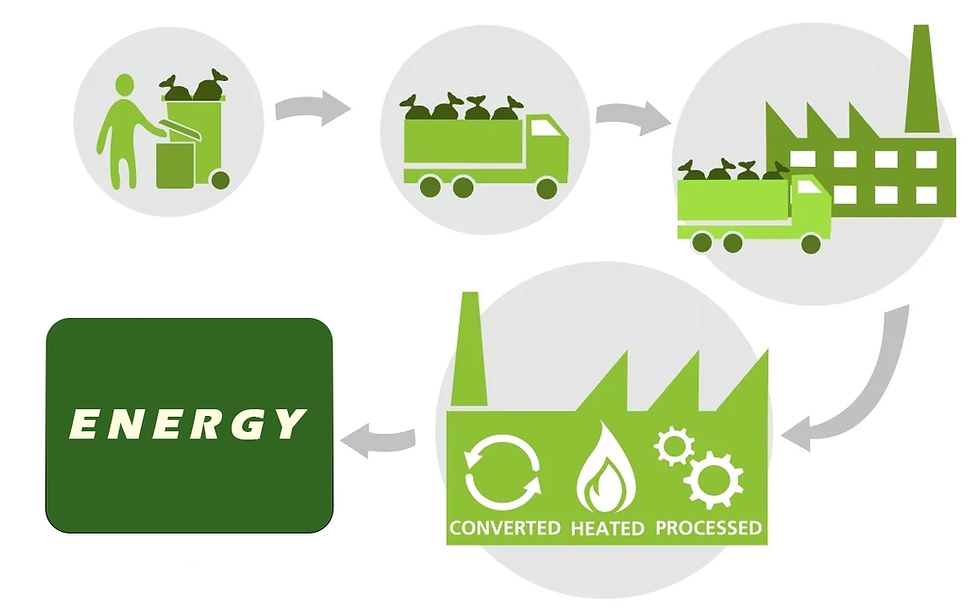
Waste-to-Energy (WtE) combines modern waste management with reliable energy production. Through thermal processes and recovery systems, waste is converted into electricity, heat, and usable secondary raw materials. In this way, WtE reduces landfill use and turns waste into a regional source of energy and raw materials.
What is Waste-to-Energy?
What makes Waste-to-Energy so special?
…more than just technology
It is a principle that views waste as part of a material cycle. WtE creates new perspectives for the circular economy, energy, and resources.
When is Waste-to-Energy useful?

... more than just recovery
As part of thermal recovery, waste-to-energy complements the circular economy precisely where reuse and recycling reach their limits.
Stability
WtE plants provide electricity and heat around the clock - independent of sun, wind, or weather.
Waste reduction
Less waste in landfills, lower methane emissions, reduced soil contamination, fewer odor nuisance, and space required.
Resource cycle
Metals, ash, and other materials are recovered and recycled.
Environment
Modern facilities operate with low emissions and replace fossil fuels, thereby reducing CO₂ emissions.
Security
Energy is continuously available and predictable. For cities, businesses, and industry.
Utility
Disposal costs decrease, jobs are created, and local value creation increases.
FAQ - Facts and Myths
- 01
- 02
- 03
- 04
- 05
- 06
- 07
- 08


